

Member photo stories
Explore our weekly blog written by members of Hornsea Photography Club. Discover the techniques, personal journeys, and creative inspirations behind each striking frame.
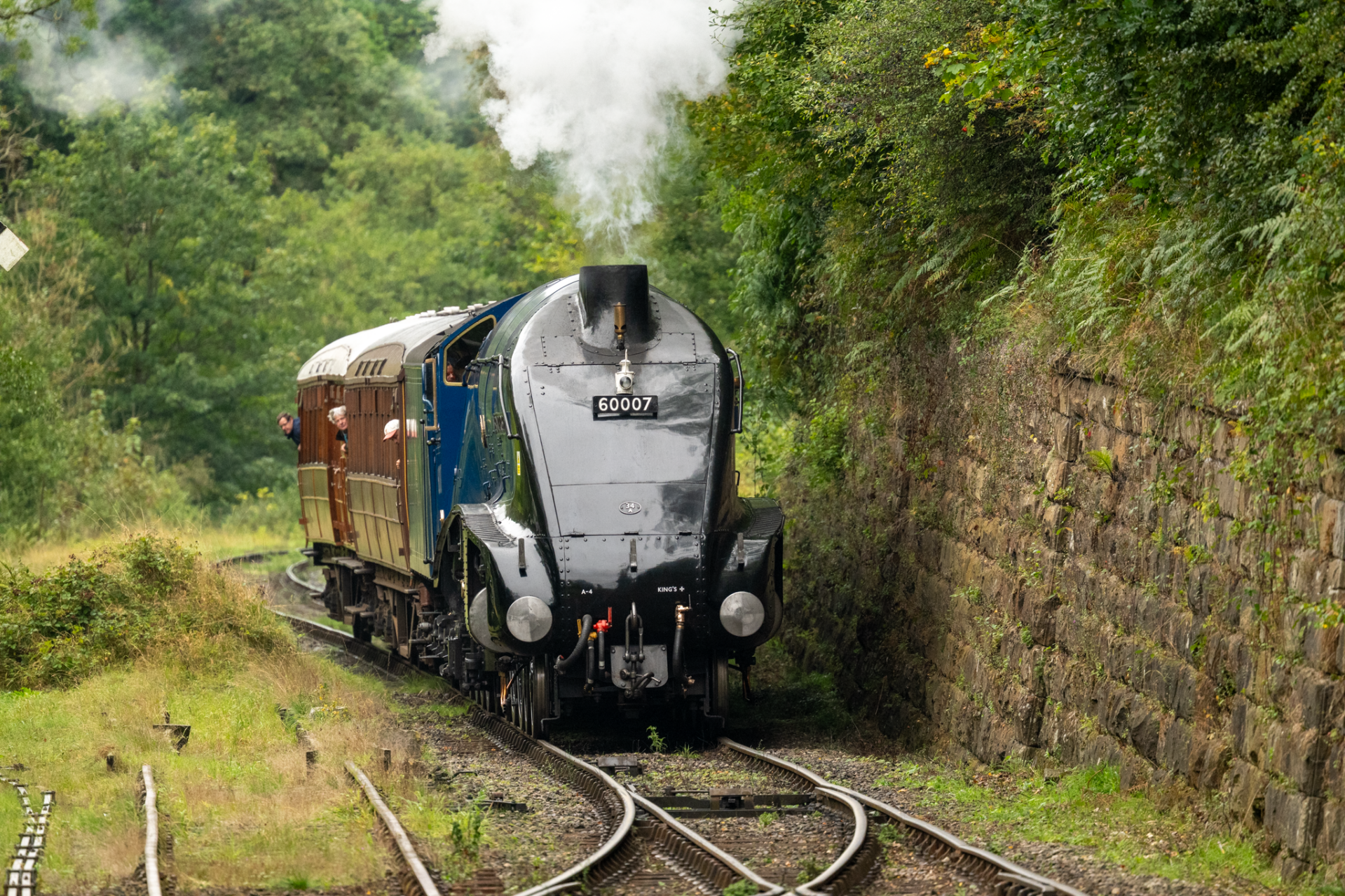
The Magic of Steam
Capturing the magic of a steam train on camera combines landscape framing, timing, and an appreciation for vintage engineering. [1, 2, 3]
Plan Your Shoot
- Check timetables: Use resources like UK Steam Info or local heritage railway schedules to track exact run times.
- ** Scout locations:** Look for curves, inclines, or viaducts. Engines work harder on slopes or bends, producing larger, more dramatic clouds of steam and smoke.
- Arrive early: Get to your spot at least an hour before departure to set up safely and secure a good angle without trespassing. [1, 2, 3, 4, 5]
Camera Settings and Gear
- Shutter speed: Aim for around 1/250s to keep the locomotive sharp while retaining slight motion blur in the wheels or escaping steam. Drop lower (1/30s–1/60s) if you want to experiment with artistic panning.[1]
- Aperture: Set your aperture between f/8 and f/11 to keep both the engine and the surrounding landscape in sharp focus. [1, 2]
- Lenses: A versatile zoom lens (like a 24-105mm) lets you switch quickly from wide landscape compositions to tighter, compressed telephoto shots. [1, 2]
Composition Tips
- The wedge angle: Stand at a 45-degree angle to the tracks to capture the front and side of the engine as it moves past. [1, 2, 3]
- Catch the light: Shoot during early morning or late afternoon, or try to position yourself so the sun backlights the steam for a glowing, dramatic effect. [1, 2]
- Don't forget the details: While the train is stationary at a station, zoom in on the brass nameplates, spinning wheels, or glowing firebox handles
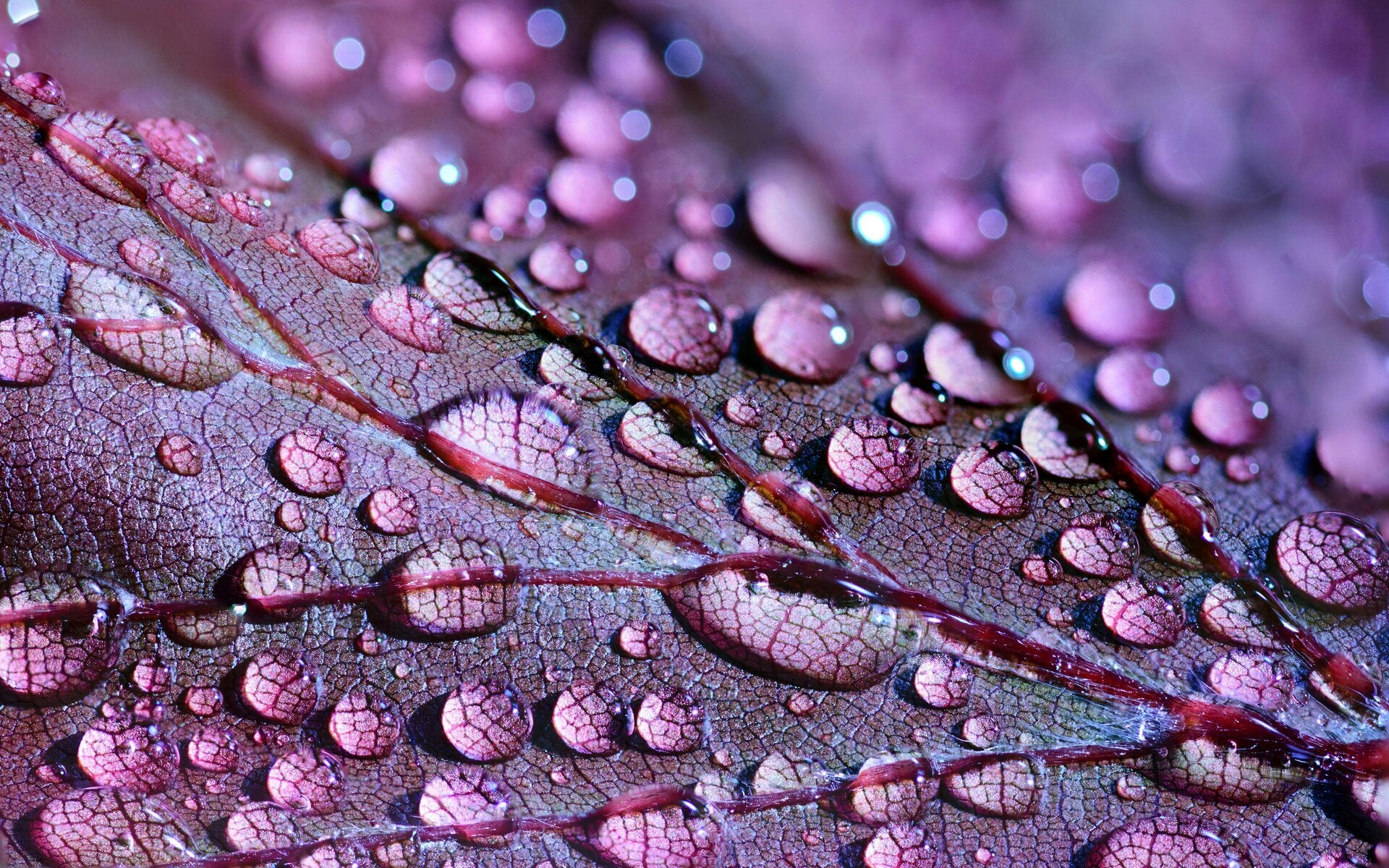
Unseen details in the garden
"Macro photography opened up a whole new world right outside my back door. After our recent club workshop on depth of field, I decided to experiment with extension tubes on fresh dew. The club critique sessions gave me the confidence to push aperture boundaries and look closer at everyday textures." — Sarah T.
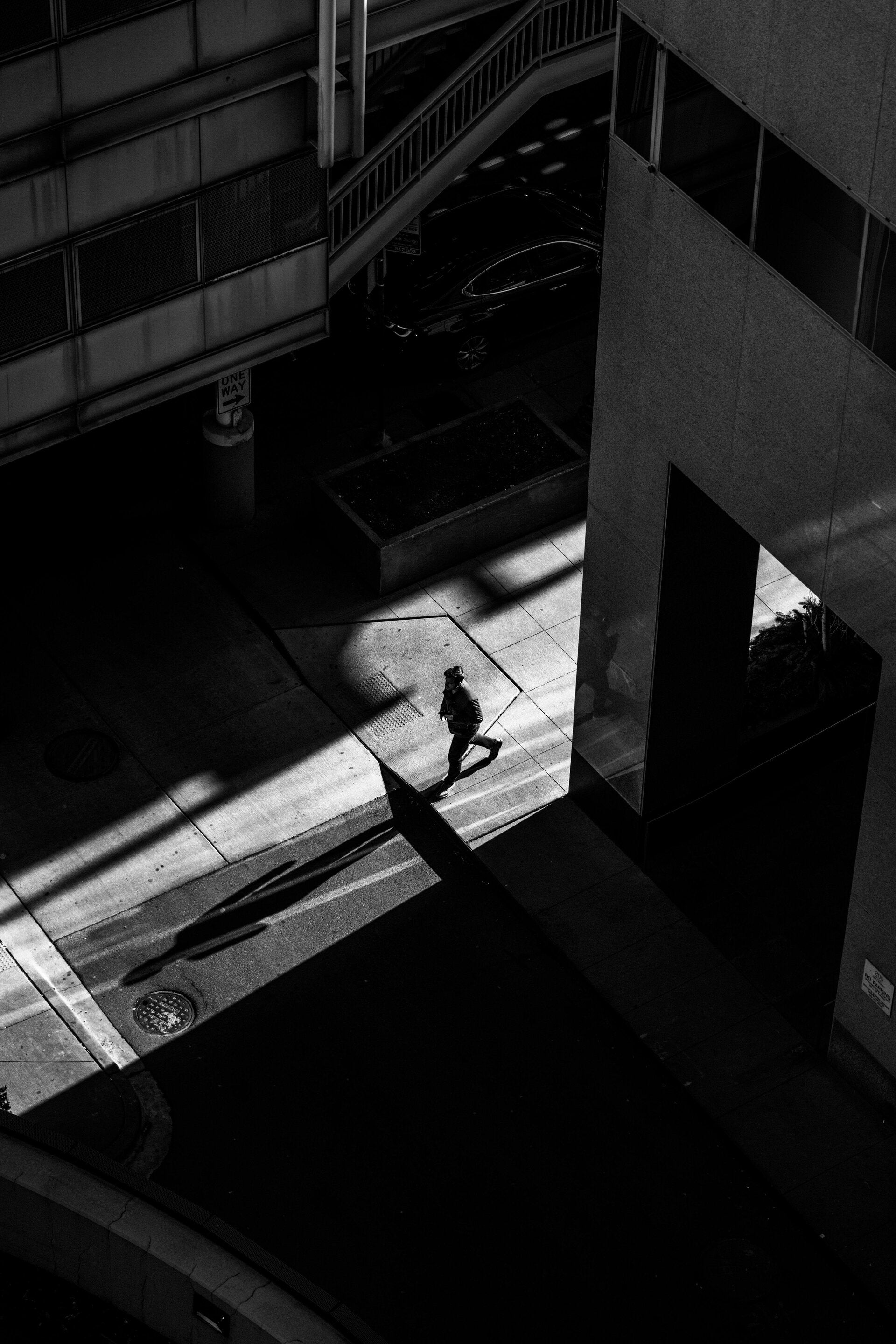
Shadows and street portraits
"Transitioning from landscape to candid street photography was a real challenge. During our club photowalk, I focused on high-contrast natural light and silhouettes. Learning to see how sunlight cuts through architectural arches helped me capture moments that feel truly timeless." — Alan R.
Create Your Own Website With Webador